
Authors: Suwardi, Lilik Sutiarso, Herry Wirianata, Andri Prima Nugroho, Iput Pradiko, Eko Noviandi Ginting, Nuzul Hijri Darlan, Muhdan Syarovy, Septa Primananda, Sukarman
Original publication: Sains Tanah, Journal of Soil Science and Agroclimatology, 2022 · DOI: 10.20961/stjssa.v19i2.65460
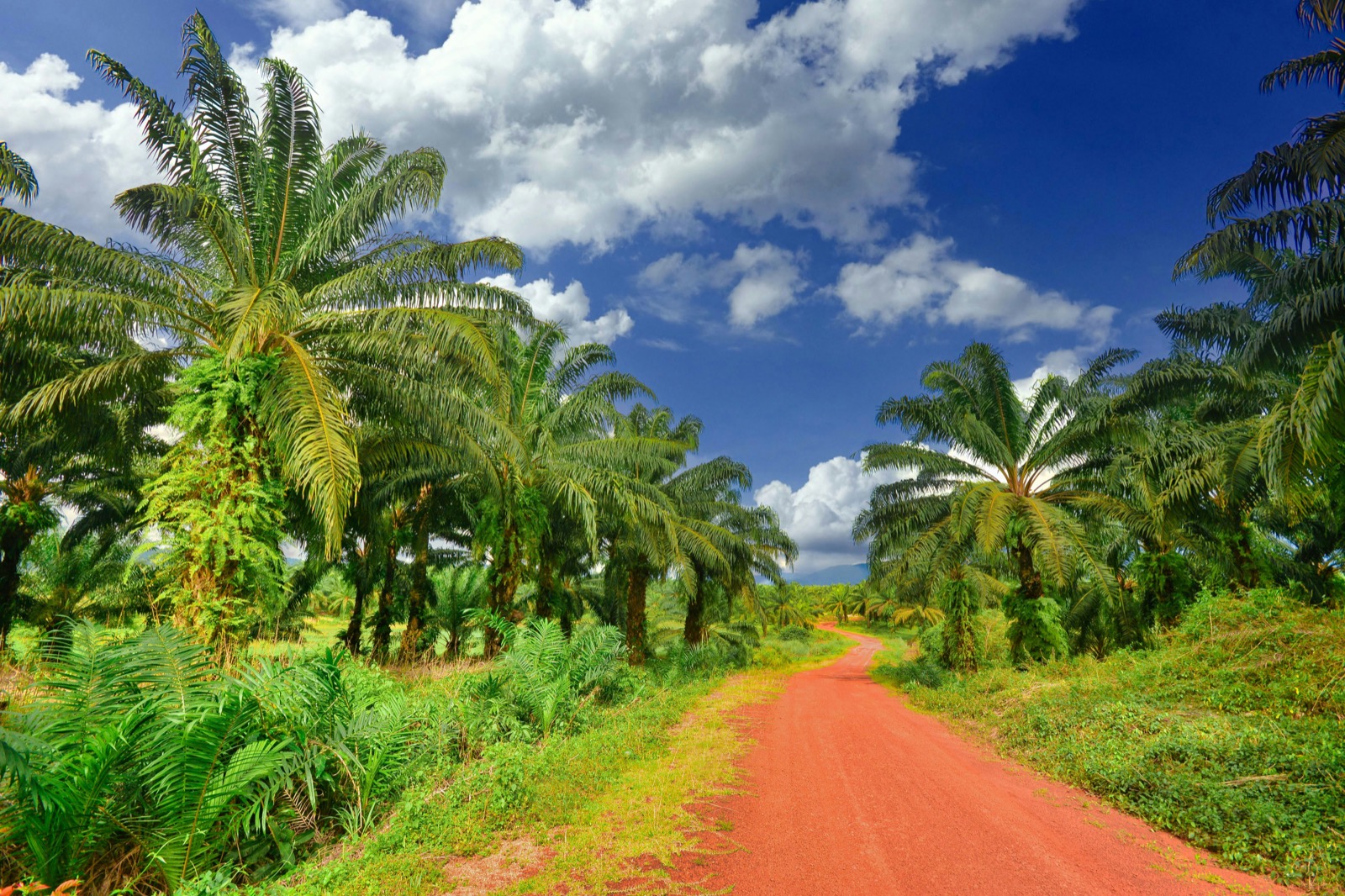
Spodosol soil, often referred to as white sand soil or podsol soil, is one of the greatest challenges in oil palm (Elaeis guineensis) cultivation in Indonesia. This soil is characterized by its dominant sandy texture, very low water-holding capacity, high acidity, and minimal natural fertility. In Central Kalimantan, thousands of hectares of oil palm are planted on Spodosol soil, and their productivity is often far below the plant’s genetic potential. However, a collaborative study between the Indonesian Oil Palm Research Institute, Universitas Gadjah Mada, Institut Pertanian Stiper, and Wilmar International found that the mounding technique, creating soil mounds around the base of the trunk, can be an effective and economical solution.
The study was conducted in an oil palm plantation in Central Kalimantan by comparing two treatments: plants with the mounding technique and plants without mounding (control). The observed parameters included the physical and chemical properties of the soil in the root zone, the absorption of nitrogen (N), phosphorus (P), and potassium (K) nutrients, leaf nutrient status, and fresh fruit bunch (FFB) production over two years. The mounding technique applied consisted of mounds about 30-40 cm high with a diameter of 2-3 meters around the base of the trunk, using soil from between the tree rows mixed with organic matter.
The results were highly significant. In plants with mounding, the soil moisture content in the root zone increased by up to 25 percent higher than the control. The maximum daily soil temperature also decreased by around 2-3°C, meaning the plant roots did not experience extreme heat stress during the day. The absorption of N, P, and K nutrients increased significantly, which was reflected in the better leaf nutrient status. What was the impact on production? Plants with mounding produced 30-40 percent more FFB over the two-year observation period. For farmers, this means a significant increase in income without having to make expensive investments such as subsurface drainage or drip irrigation.
Another advantage of the mounding technique is its ease of application. No heavy machinery or special materials are required, just trained labor and the availability of organic matter around the plantation. The cost of creating the mounds is estimated to be only around 10-15 percent of the initial land preparation cost, but the benefits can be felt for years to come. This technique is also reversible, if the land is to be replanted at some point, the mounds can be leveled again without leaving a long-term negative impact on the soil structure.
Of course, the effectiveness of the mounding technique greatly depends on the right design, the height and width of the mounds, the type of organic material mixed in, and the frequency of maintenance. Further research is needed to optimize these parameters in various soil and climate conditions. However, what is clear is that for oil palm plantations struggling with the limitations of Spodosol soil, the mounding technique offers a practical and affordable glimmer of hope.
References:
Suwardi, et al. (2022). Mounding technique improves physiological performance and yield of oil palm on Spodosols. Sains Tanah, Journal of Soil Science and Agroclimatology, 19(2), 169-179. DOI: 10.20961/stjssa.v19i2.65460